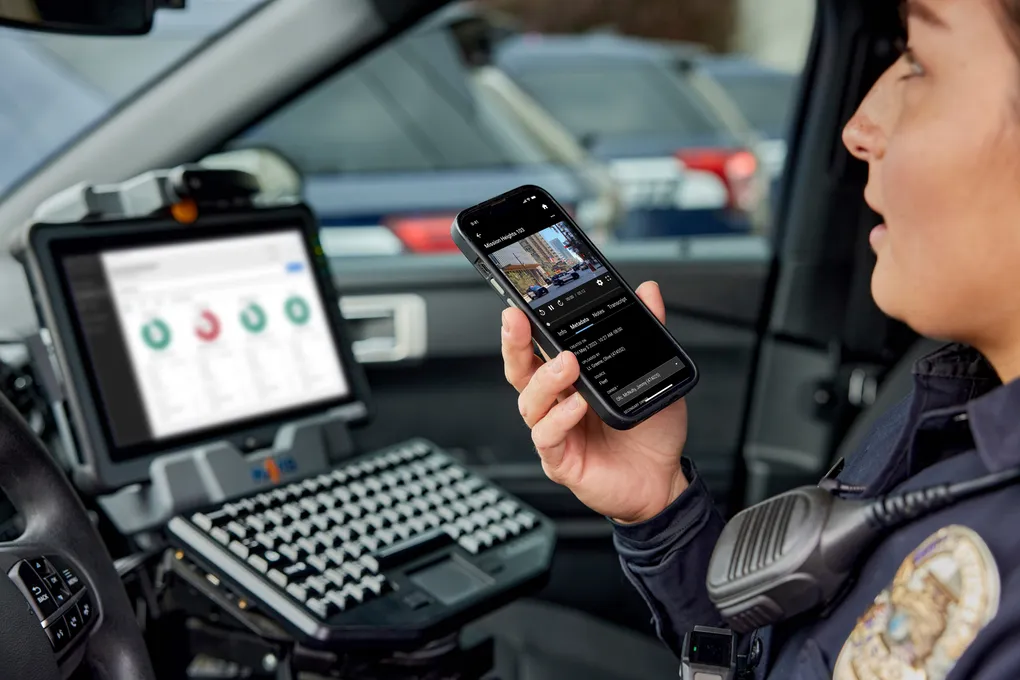
Building good software is never easy.
But building software for police - and for the broader world of public safety - adds a whole layer of complexity that I didn’t fully appreciate until I stepped into the space myself.
In this post, I wanted to share a bit about what I’ve learned, what surprised me and a few tips for other product managers working in public safety or similar high-stakes fields.
Why Public Safety is a Different Beast
In my previous tech job, I dealt with test automation productivity, workflow efficiency, reusability of test assets, time to “aha!” moment, etc. Software bugs, confusing UX, or unreliable features can frustrate users and hurt success metrics.
But when you work in public safety, the consquences can go far beyond frustration or MAU churns. If police don’t tag their evidence correctly, evidence can be deleted prematurely and fail to show up in court. If the video evidence is wrongly transcoded during playback, evidence can be thrown out of court and bad guys could walk out of jail free or innocent guys are incarcerated. It affects not just officers, but victims, suspects, families, commnunities - even the broader public’s trust in law enforcement. That weight shapes how you think as a product manager.
Beyond the high stakes, there’s also the complexity of your customer. You’re not building for a single type of user or team. You’re building for entire institutions: patrol officers, detectives, command staff, records clerks, prosecutors, defense attorneys, IT administrators, legal teams - all with different (and sometimes competing) priorities. Add in the lengthy procurement processes, regulatory requiremeents, union agreements, and political pressures, and you realize quickly: this isn’t your typtical SaaS or consumer product job.
Tip #1. Be obsessed
When I first joined Axon, I knew I had a lot to learn. In my very first company kick off (CKO 2022), I wrote “100 customers” on my poker chip. Poker chips are Axon’s tradition to help employees set their personal goal for the year. By the end of 2022, I failed that goal, landing short at only 92. But those 92 late-night customer calls taught me a boatload about how police work, what pressures they’re under, what frustrates them, and most importantly, where our product fits (or doesn’t) into their day. Of course, I could read up on feature requests or pore over past research findings, but nothing beats direct customer engagement. You will not only learn the facts, but also the feelings behind the facts.
Nobody loves late-night meetings, especially with command staff from a police agency. I struggled with work-life balance. Sometimes I felt I just wanted to give up. “This is too much and maybe I’m not cut out for this job” - I told myself. But I quickly learned that the trick is not to work harder. It’s all about managing your energy levels through out the day so that you can show up fresh in customer meetings. At Axon, Be-Obsessed is one of our core values. But being customer-obsessed doesn’t mean we have to kill ourselves along the way. We can still strike the right balance.
Tip #2. Be humble
Besides late-night zoom calls, I also flew to Phoenix to work with customers at Axon Accelerate - an annual conference that we host for police agencies worlwide. My boss and I conducted a training for police admins on how to set up their command hierarchy within Axon Evidence. There were a lot of nuances that we wanted to “teach” the admins in the audience. But at the same time, we trainers learned a lot from the trainees ourselves.
What struck me was that no two agencies are the same. For instance, Lieutenants at smaller agencies are required to review bodycam footage from their Sergeants as well as their the officers under those Sergeants. But bigger agencies where a Lieutenant could manage up to 100 persons, it’s almost impossible for them to review videos from all of their subordinates. It was a valuable insight that we took and later implemented in our product.
Tip #3. Put yourself in their shoes
Another way for me to get direct customer engagement: ride-alongs. I went on several ride-alongs with diffreent agencies, ranging from Seattle to San Jose, Tucson and Dallas. Sitting in the passenger seat, watching officers respond to calls, handle evidence and fill out reports, it opened my eyes to so many details what I would’ve missed from behind a desk. I saw firsthand how unpredictable and high-pressure an officer’s shift can be, how much multitasking they juggle, and how a small “friction” - like a slow-loading screen or confusing UI - can have a big impact in the field.
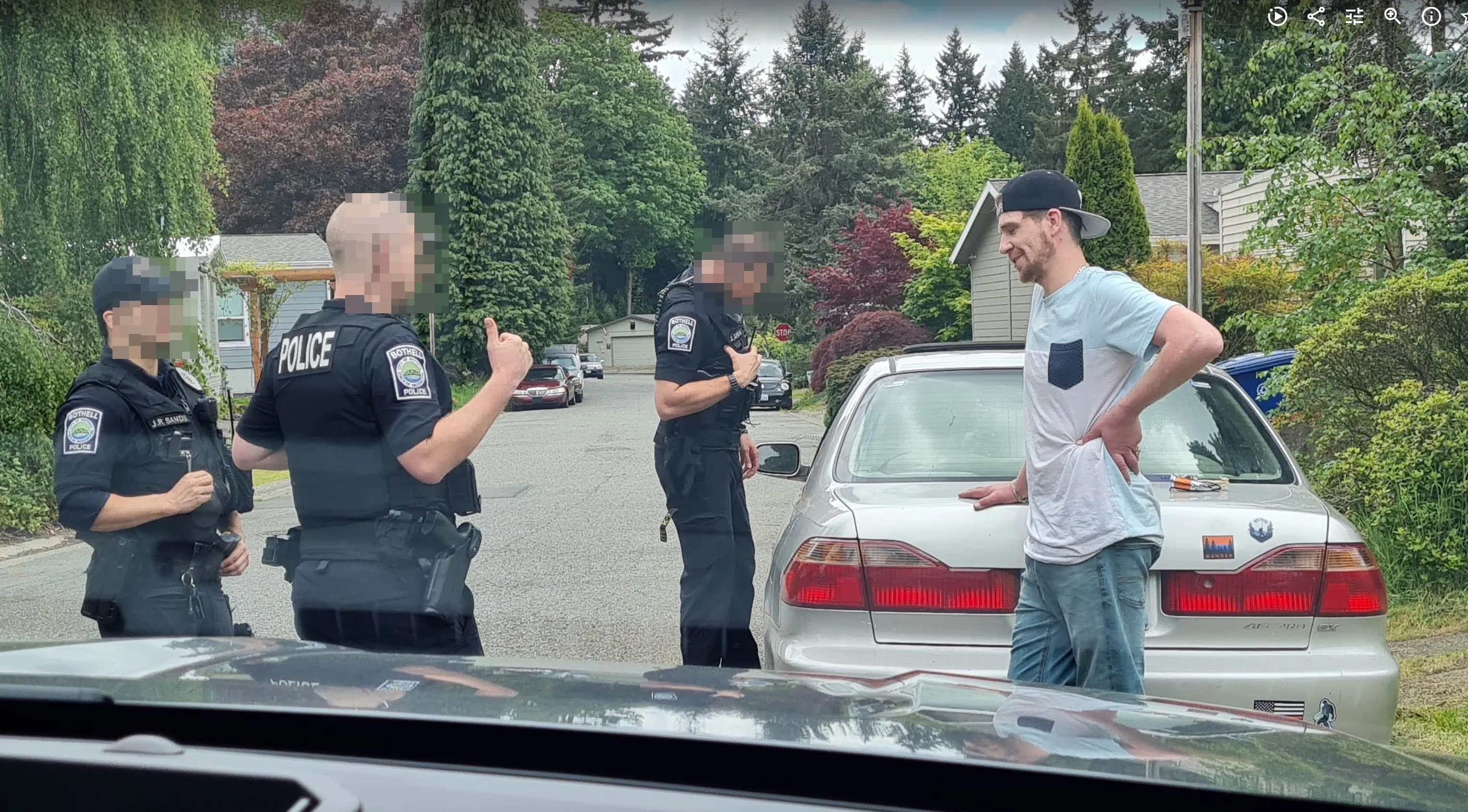
These weren’t edge cases - they were everyday moments where our product needed to quietly support. If you’re working on software for public safety, I’d say time spending alongside the people you’re building for is essential. Ride-alongs weren’t just nice to have. They are essential. They helped me understand not just what but the why behind police workflows. And they reminded me that even the best product ideas don’t mean much if they don’t fit into the real, messy, human world of the people we serve.
Final reflections
I don’t share this to suggest I’ve figured it all out - far from it. I’m still learning every day in this space. But if there’s one thing I’ve come to appreciate deeply, it’s the value of immersing yourself in your users’ real world. No amount of surveys, stakeholder meetings or document readings can fully replace the insight you get from sitting beside an officer in a ride-along, walking through a station, or talking to customers directly either via zoom or a conference. It’s humbling.
Law enforcement is messy, slow-moving, and often politically complicated. Change takes time. Adoption takes patience. But it’s also some of the most meaningful work I’ve ever done.
If you’re a product manager working on tools that impact people’s safety, justice or well-being, I’d love to connect and hear how you stay close to your users and keep learning. And if you’re curious about working as a product manager for law enforcement, I can honestly tell you this: it’s not easy - but it’s incredibly rewarding.
Want to apply to Axon? Contact me on LinkedIn.
Building something meaningful?
I love connecting with people who are using technology to solve real problems. Whether you want to discuss AI, product management, or just say hi — I'd love to hear from you.
Get in Touch